On Christmas Eve in 1926, more than 65 people checked into Bellevue Hospital in New York City, poisoned with adulterated alcohol. Almost half of them would die by the New Year in what would become the incident that may have turned the tide of Prohibition. Chief Medical Examiner Charles Norris (the city’s first) became an ardent proponent of repeal after seeing the effects of poisoned alcohol.

The New York Times covered the case on December 27, 1926
It’s a common perception that unscrupulous distillers were poisoning the booze, but it was actually the Federal Government that required the denaturing of ethanol with methanol or benzene. Ethanol—a practical solvent with industrial uses as much as a fun, convivial intoxicant was too practical to ban fully, and the authorities found it difficult to find a solution to permitting industrial alcohol while forbidding the comestible version of the same thing.
Norris understood that Prohibition was failing. People were finding ways to consume alcohol regardless of what the government said or did, creating a lawless and dangerous environment for public health.
On this repeal day, 92 years after the fall of Prohibition, it’s important to consider history. I’ve argued that there is a neo-Prohibitionist movement afoot in the United States, the result of political conditions not unlike the ones that took place almost exactly 100 years ago. In a time of performative zealotry, alcohol became an easy way to signal moral righteousness, then as now.
We can learn something from the last go around, which is that it’s a quick hop from personal choice to societal ban and we see this all over the political spectrum.

Our business really began because of legal changes that took place in New York in 2003 and 2009 allowing for small craft and later farm distilleries. States are still struggling with how to manage beverage alcohol after the federal government stepped back. Direct distribution and direct to consumer shipping are ways in which small distillers could have a chance to survive in an era when the three tier system of distillers, distributors, and retailers is collapsing from the middle as people drink less.
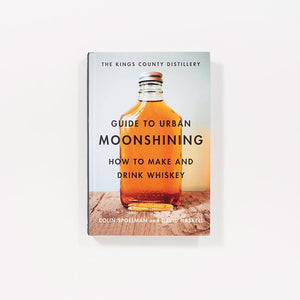
One area that should also be reconsidered as we head into a quieter era for beverage alcohol: the Federal prohibition on the manufacture of spirits for personal use. Moonshining began as Appalachian’s solution to being politically overlooked, it’s now a safe hobby that takes nothing away from federal or state governments (indeed homebrewing and home winemaking were legalized in 1979). It’s how we got started and the basis from which we proudly stake our claim that the best whiskey starts with the best moonshine (good unaged whiskey begets even better aged whiskeys).
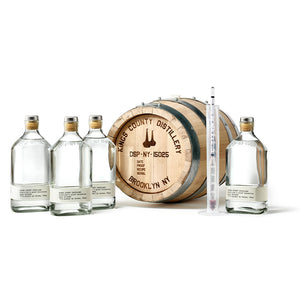
To celebrate repeal, the rise of the craft distiller, and the battles left to be won for direct-to-consumer shipping and home distilling, we honor this holiday with some special pricing on our moonshines and our whiskey aging kit, which is one of the only legal ways to age a fully tax-paid whiskey in the comfort of your own home.